
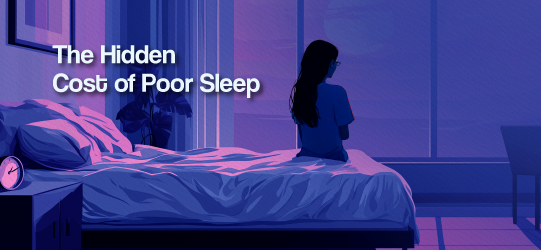
We often think of sleep as a luxury or a passive activity, but science shows that sleep is an active, vital process essential for physical restoration, cognitive functioning, and emotional well-being. Modern lifestyles, constant screen connectivity, and stress have created a global sleep deficit. But what happens to our bodies and minds when we miss out on quality rest, and how can we turn the tide?
1. The Cognitive Cost of Sleep Deprivation
Have you ever noticed how difficult it is to concentrate after a poor night's sleep? That's because sleep deprivation affects the prefrontal cortex, the brain region responsible for decision-making, logical reasoning, and working memory. Over time, chronic sleep deprivation impairs long-term memory formation since your brain solidifies memories during deep sleep cycles.
"Sleep is the golden chain that ties health and our bodies together. Investing in a supportive mattress and a dedicated wind-down routine isn't a luxury; it is the foundation of physical vitality."
— Dr. Evelyn Reed, Sleep Specialist
2. The Physical Impact: Immunity and Metabolism
During deep sleep, your body releases cytokines, which are proteins that help fight infection and inflammation. Without enough sleep, your immune defense system weakens, making you more susceptible to common colds and viruses. Furthermore, sleep regulates hormones like ghrelin (which signals hunger) and leptin (which signals fullness). A lack of sleep spikes ghrelin and plummets leptin, leading to cravings for high-calorie, sugary foods.
3. Quick Wins to Reclaim Restful Nights
Fortunately, improving your sleep quality doesn't require a complete lifestyle overhaul. Start with these three practical adjustments:





Product description goes here.